Build a better invitation
Match bird, feeder, food, and season.
Results improve your odds; wild birds choose where and when to visit.
Columbia · July
18 possible visitors
Strong matches fit every selected item. Possible matches fit part of your setup.
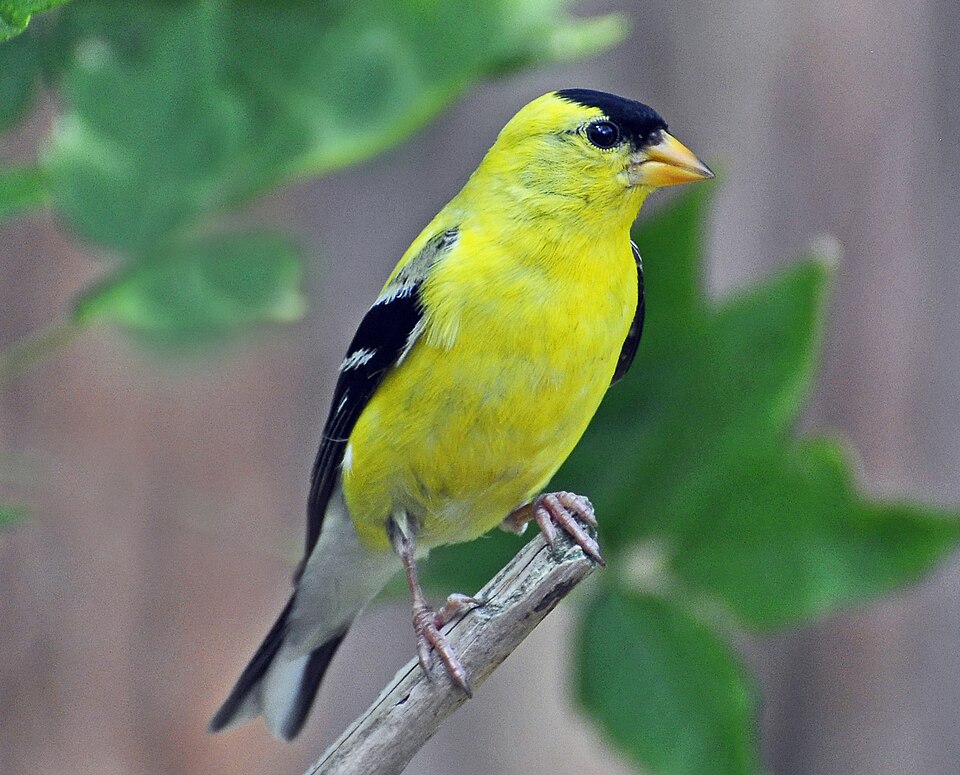 strongAmerican GoldfinchReplace old seed if visits suddenly stop.→
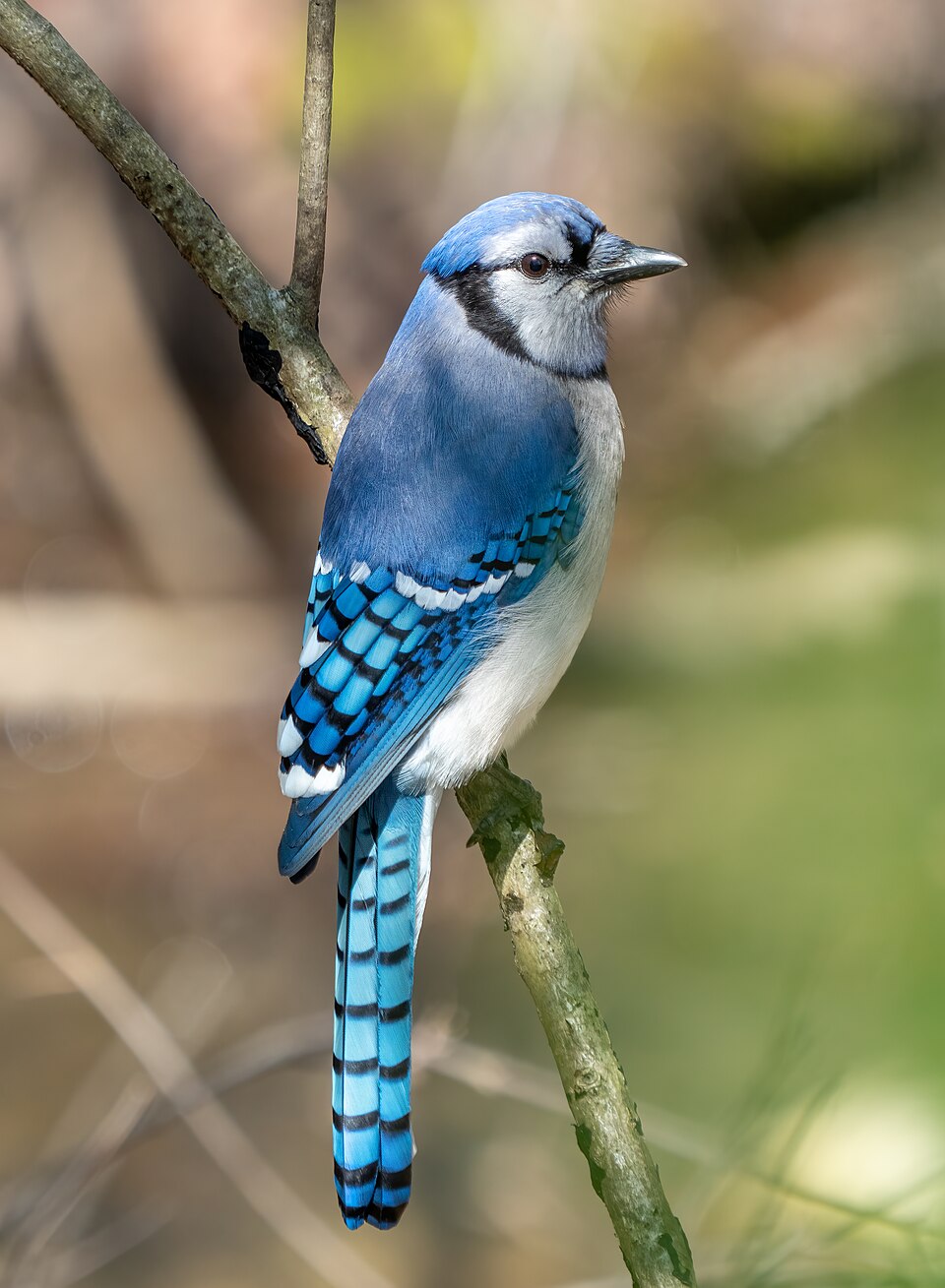 strongBlue JayA separate jay station reduces crowding elsewhere.→
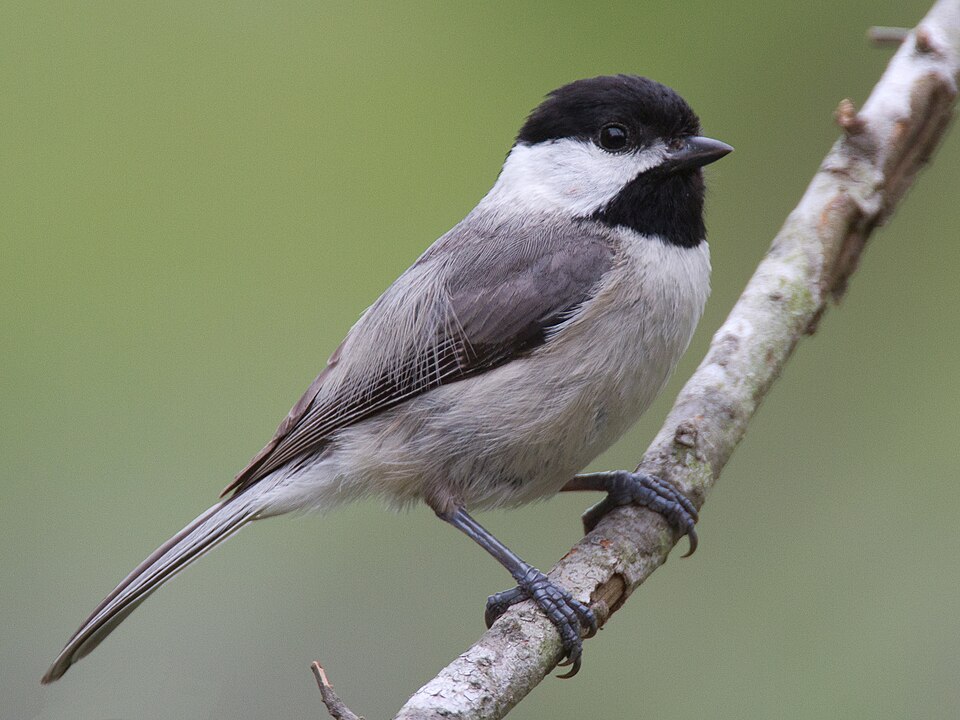 strongCarolina ChickadeeShort perches help small birds feed with less crowding.→
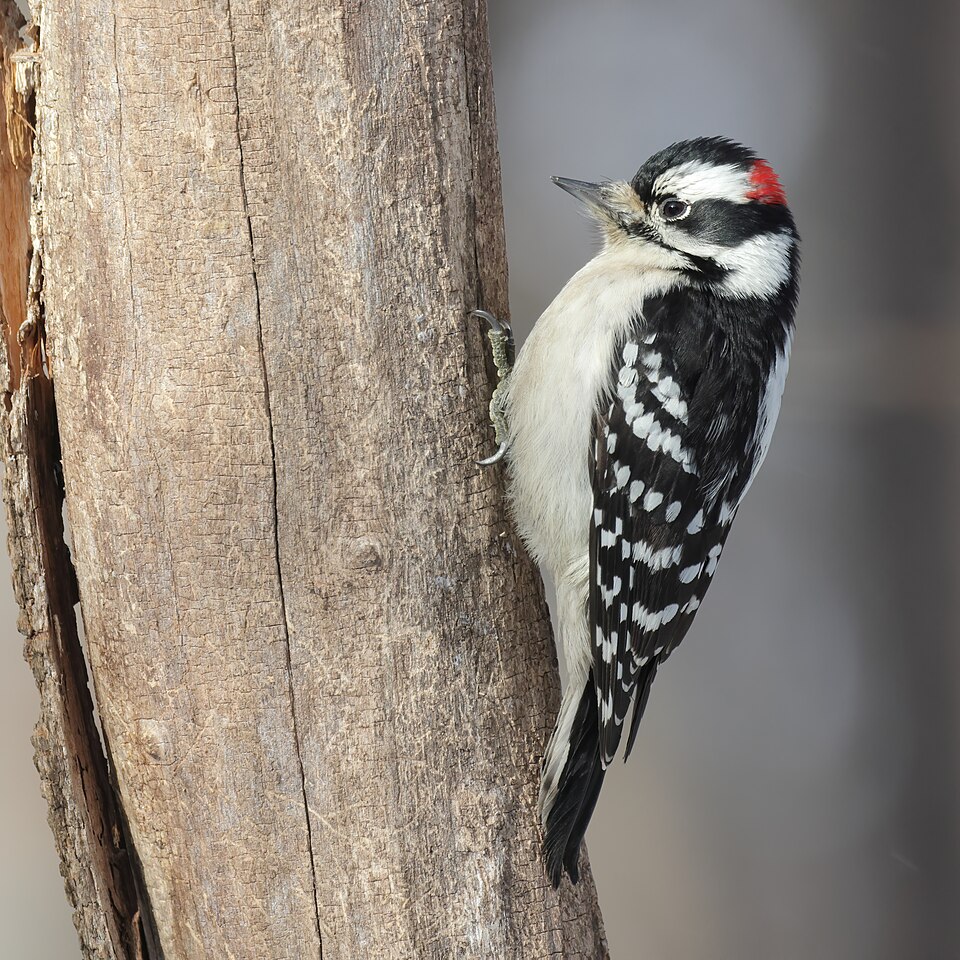 strongDowny WoodpeckerAn underside-access cage can reduce pressure from larger birds.→
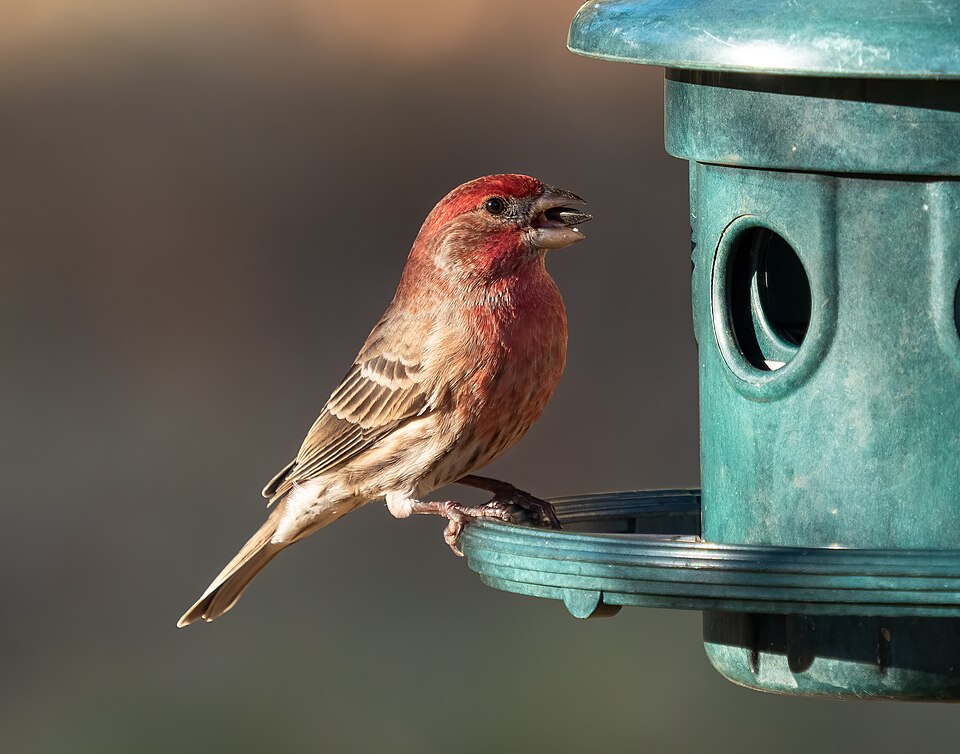 strongHouse FinchKeep sunflower fresh and ports clear.→
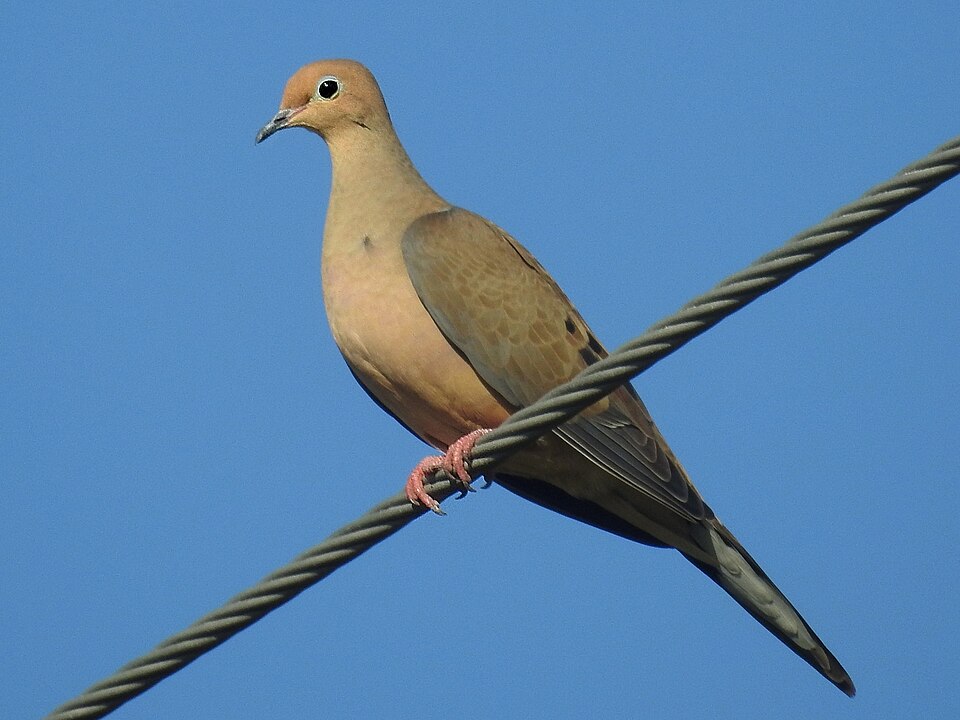 strongMourning DoveLeave enough landing room for a dove's long body.→
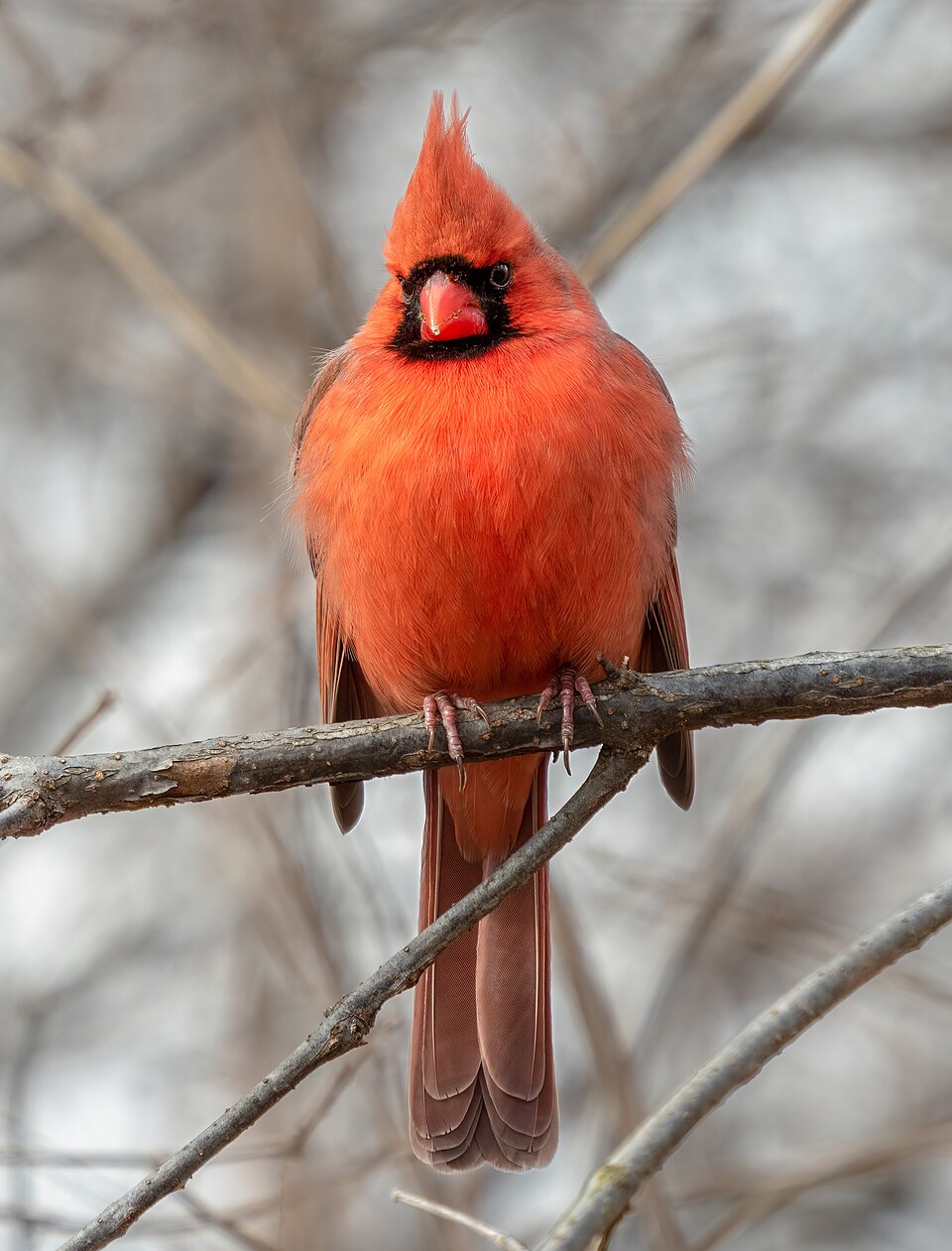 strongNorthern CardinalUse a broad ledge that supports a cardinal comfortably.→
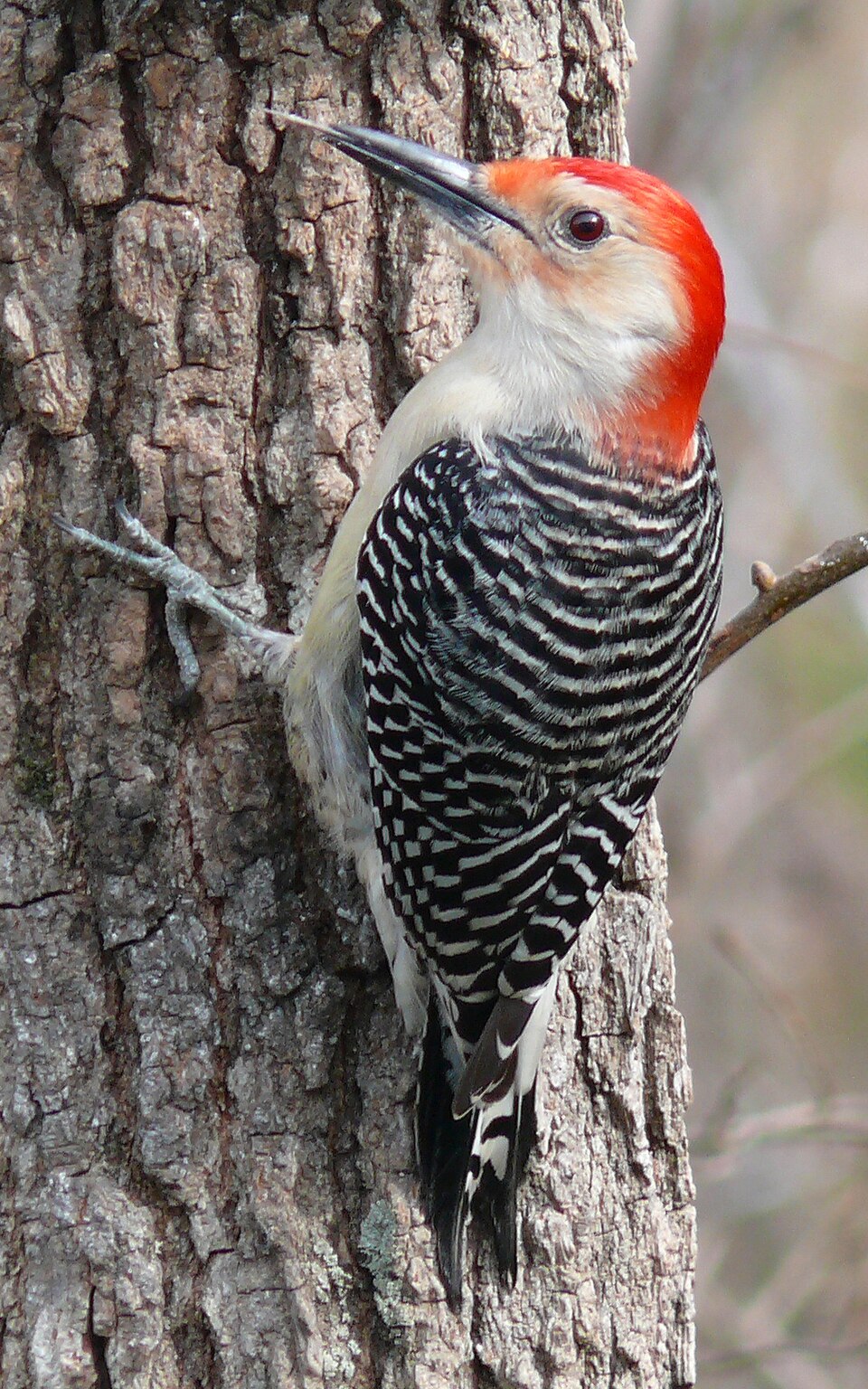 strongRed-bellied WoodpeckerA stable cage lets this larger woodpecker brace comfortably.→
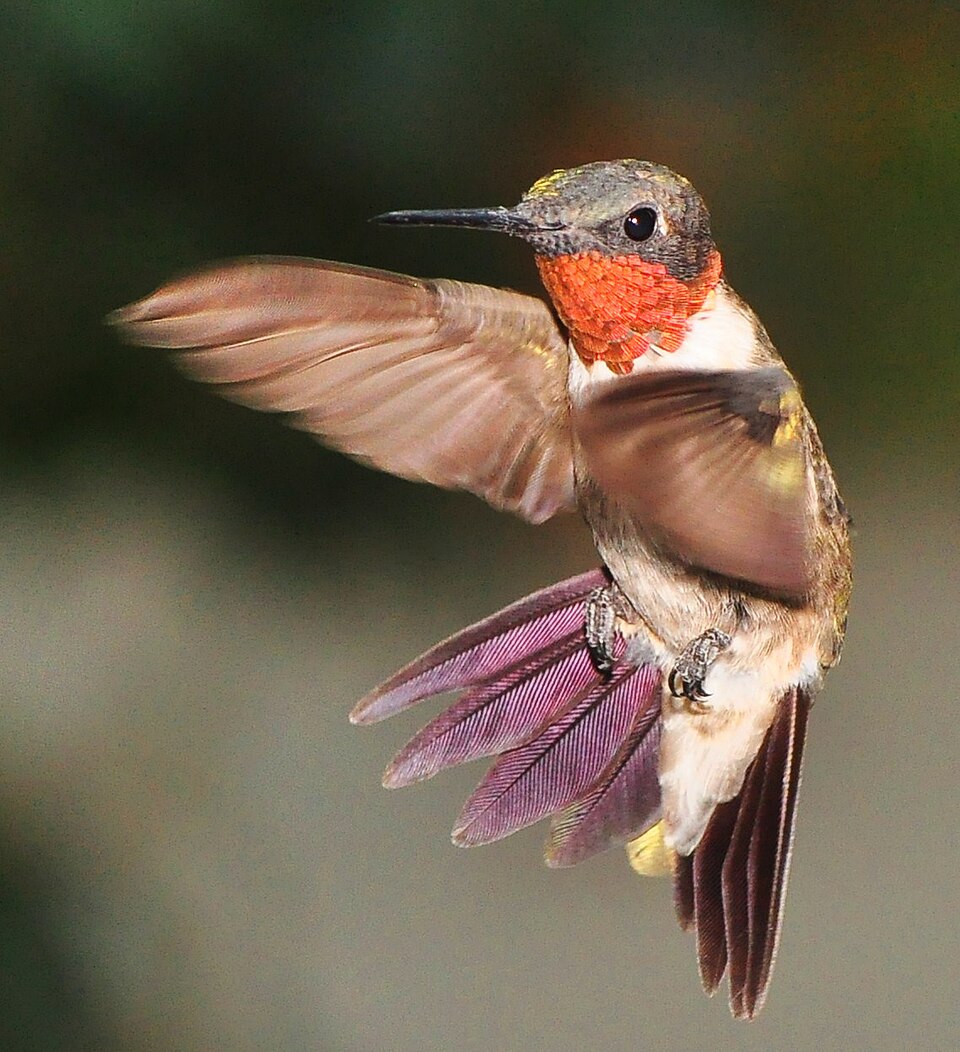 strongRuby-throated HummingbirdUse four parts water to one part plain white sugar; keep feeder exceptionally clean.→
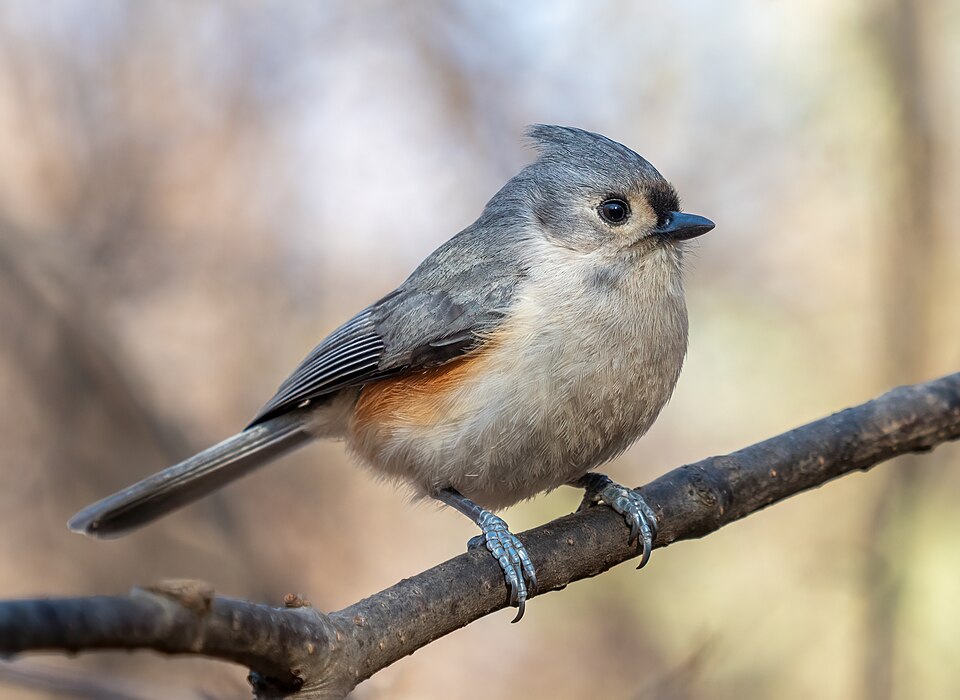 strongTufted TitmouseA roof helps keep larger seeds dry.→
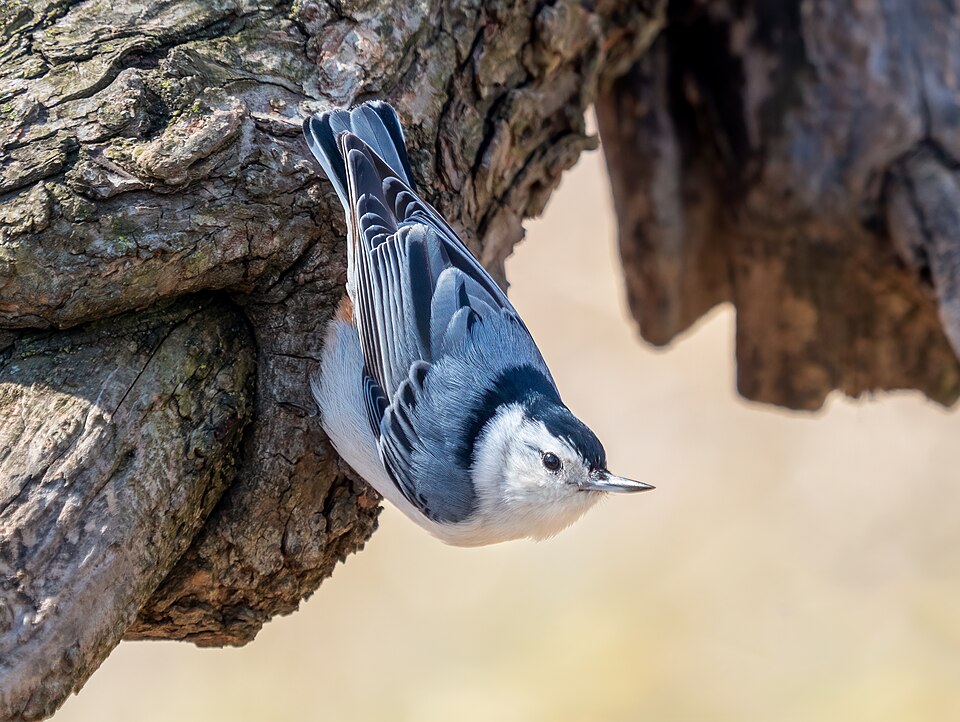 strongWhite-breasted NuthatchA clinging surface matches natural foraging behavior.→
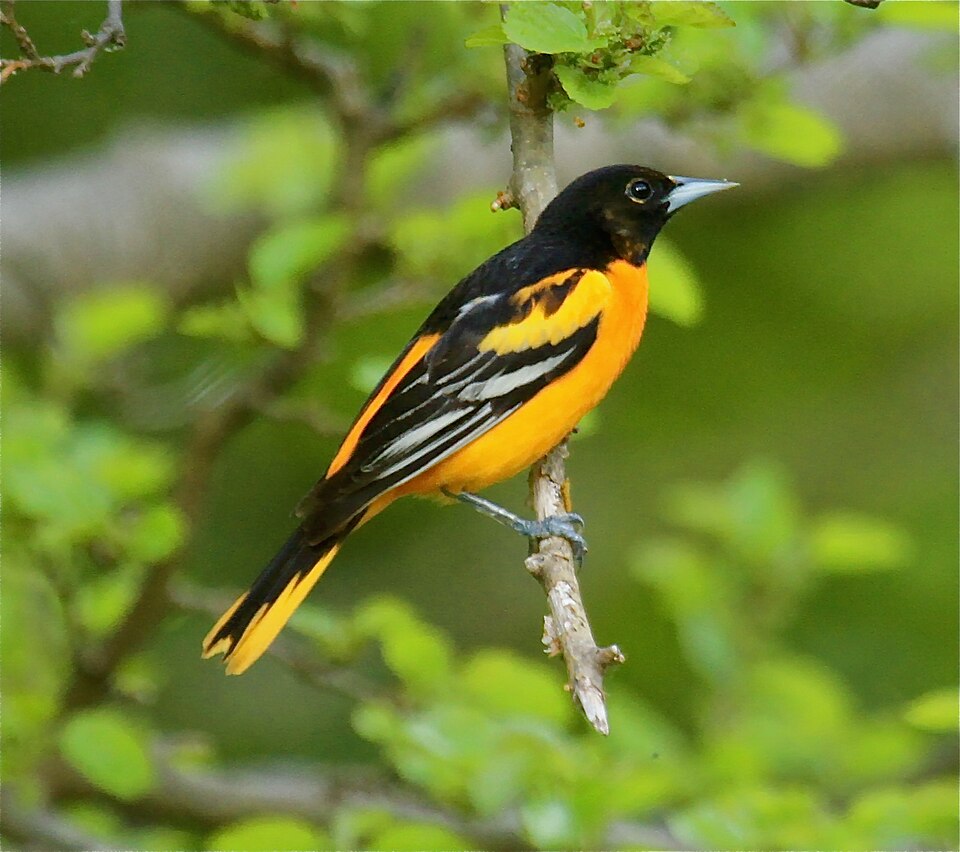 strongBaltimore OrioleEarly spring placement helps migrants discover the station.→
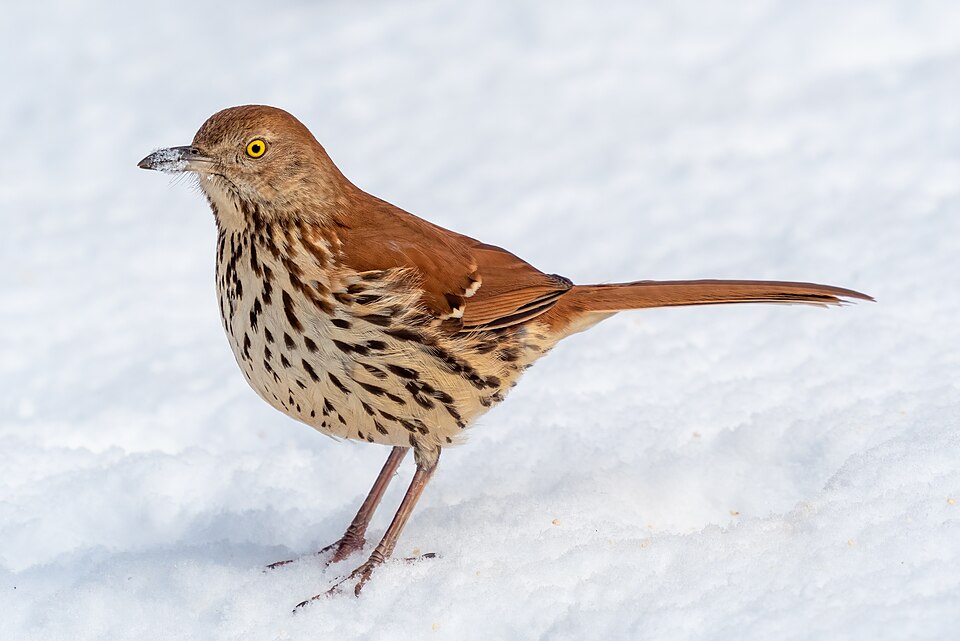 strongBrown ThrasherOffer small portions and leave nearby leaf litter for natural foraging.→
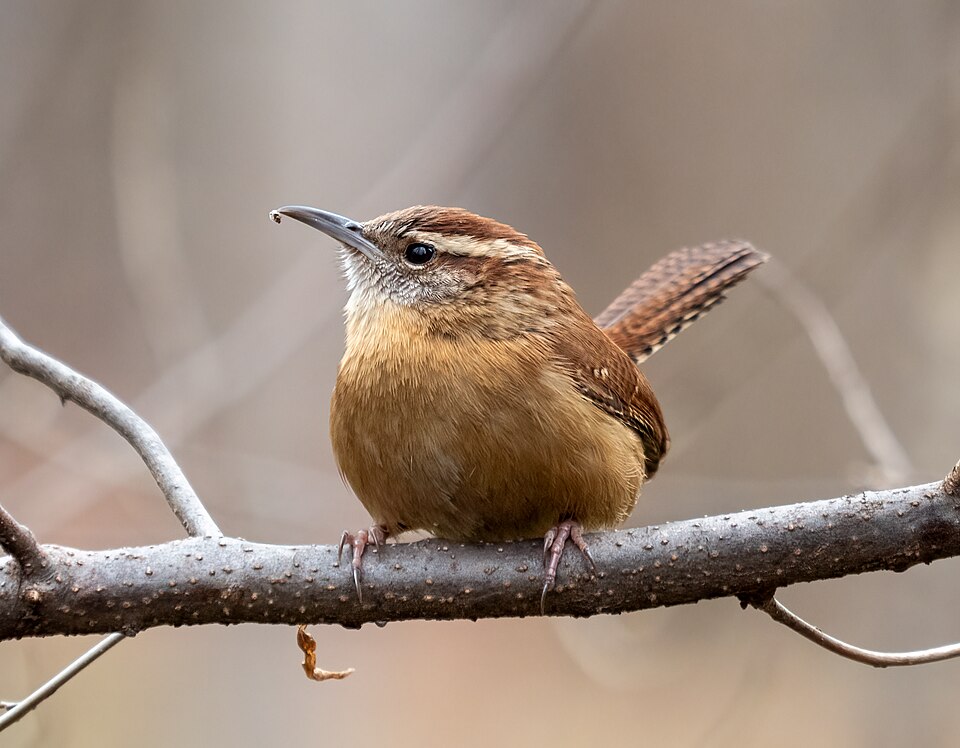 strongCarolina WrenSmall portions can bring wrens into view.→
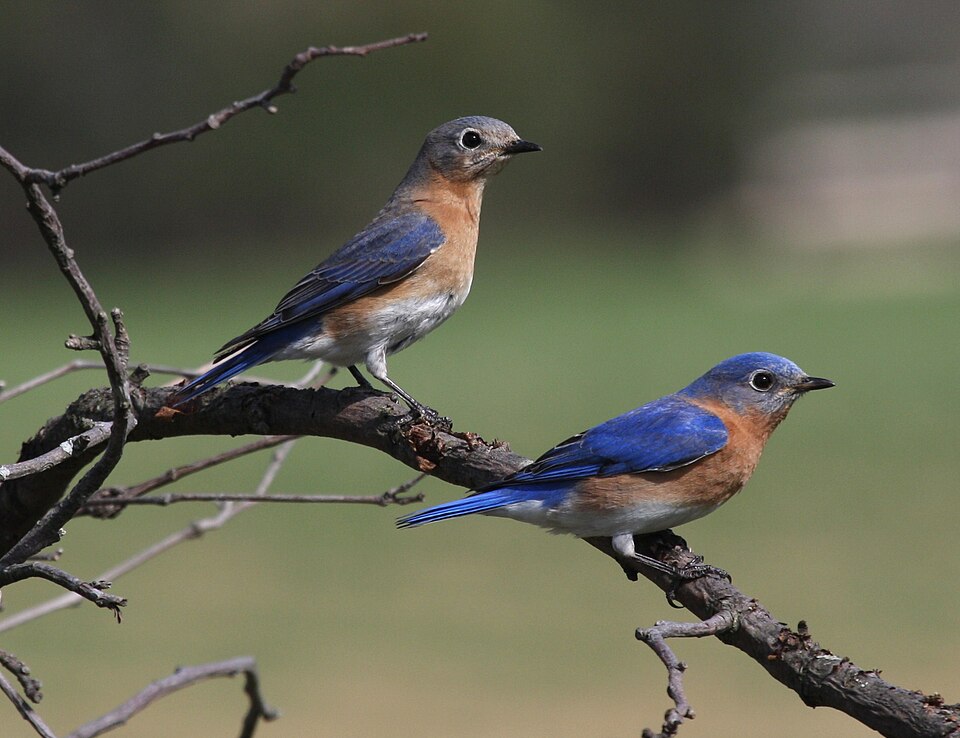 strongEastern BluebirdStart with small, consistent portions at the same time each day.→
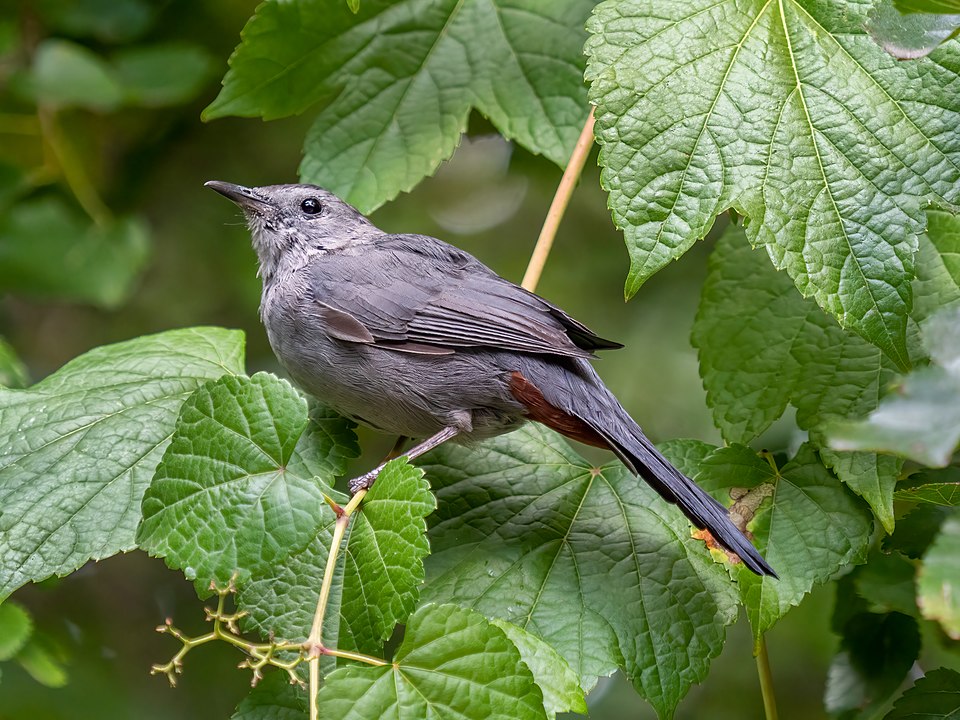 strongGray CatbirdSmall portions work best during migration and summer.→
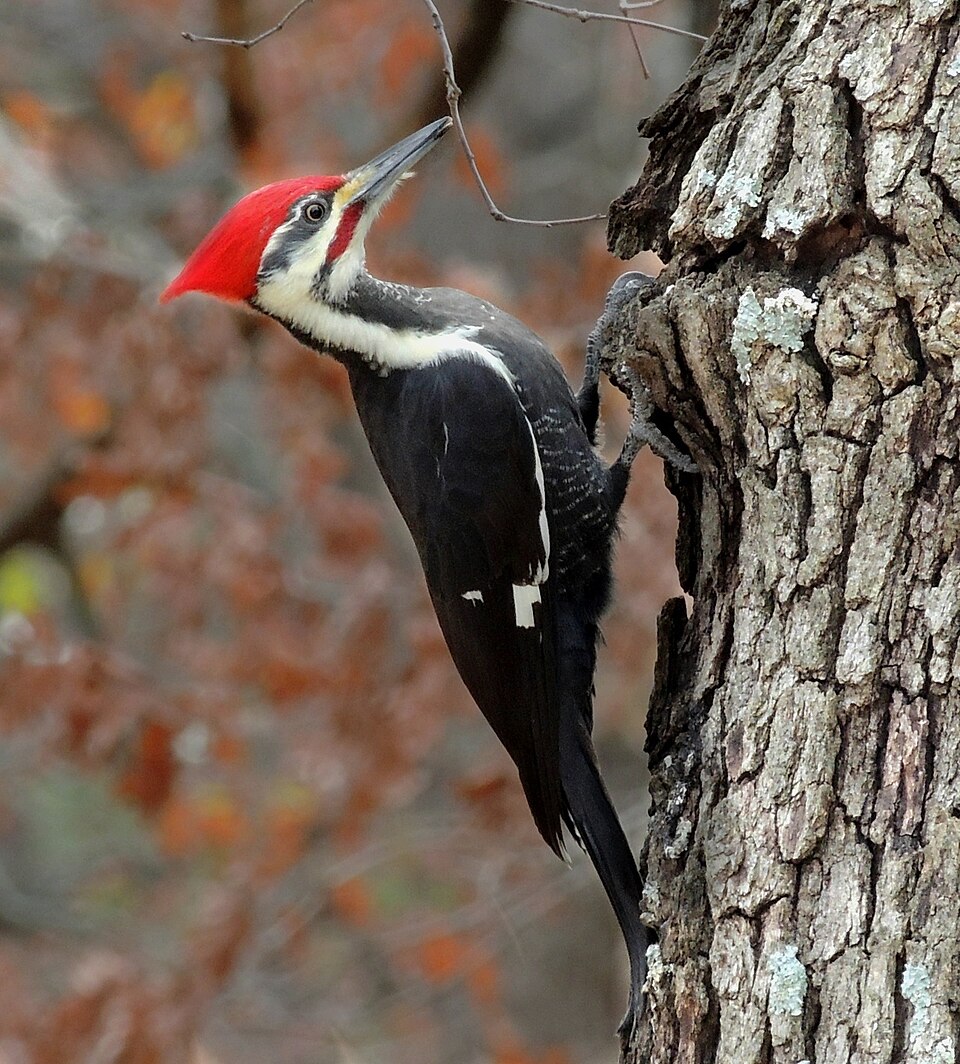 strongPileated WoodpeckerHabitat matters more than food; visits remain uncommon.→
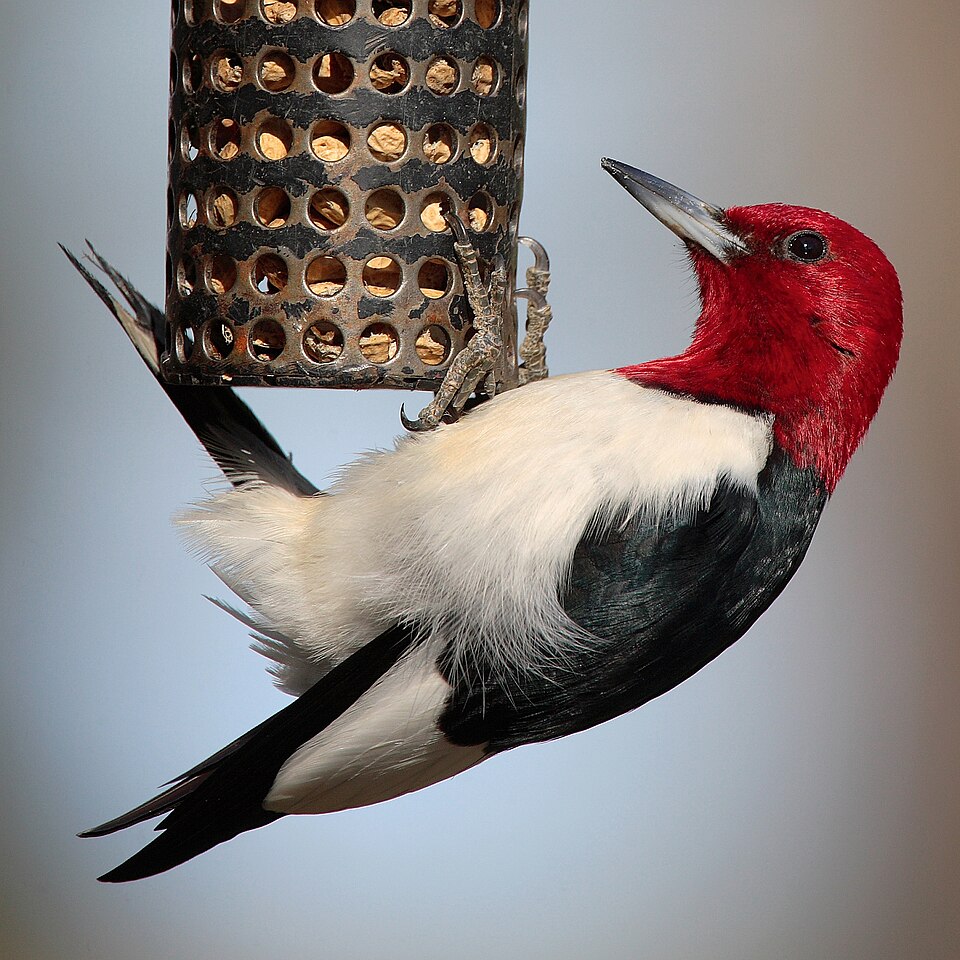 strongRed-headed WoodpeckerPreserving suitable habitat is more important than feeder choice.→